Full or Partial Vehicle Wrap: Which One Delivers the Best ROI for Your Brand?
Full vs. Partial Vehicle Wraps: Which Option Maximizes Your Marketing ROI?
A vehicle wrap can be a high-impact marketing tool, but choosing between a full or partial wrap depends on budget, brand goals, and expected returns. This overview explains the core differences, cost considerations, visibility impacts, and measurement strategies so you can determine which option is most likely to deliver the best return on investment for your brand without getting bogged down in technical installation details.
What Are Full And Partial Vehicle Wraps And How Do They Differ?
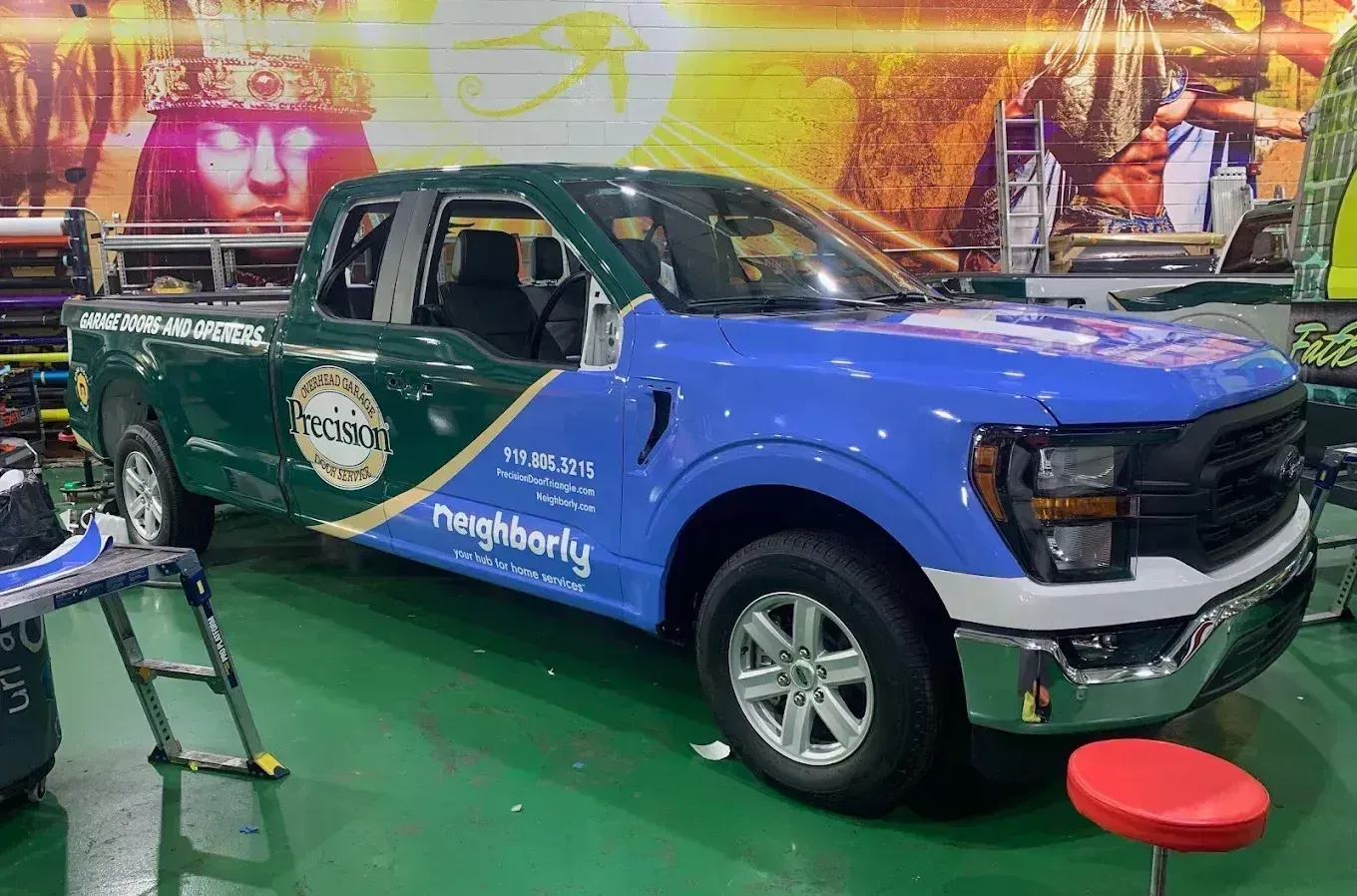
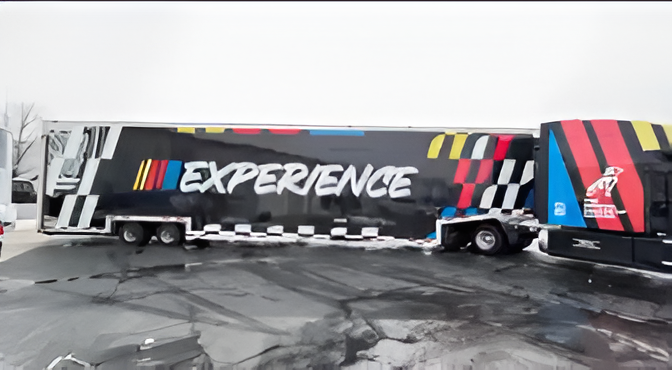
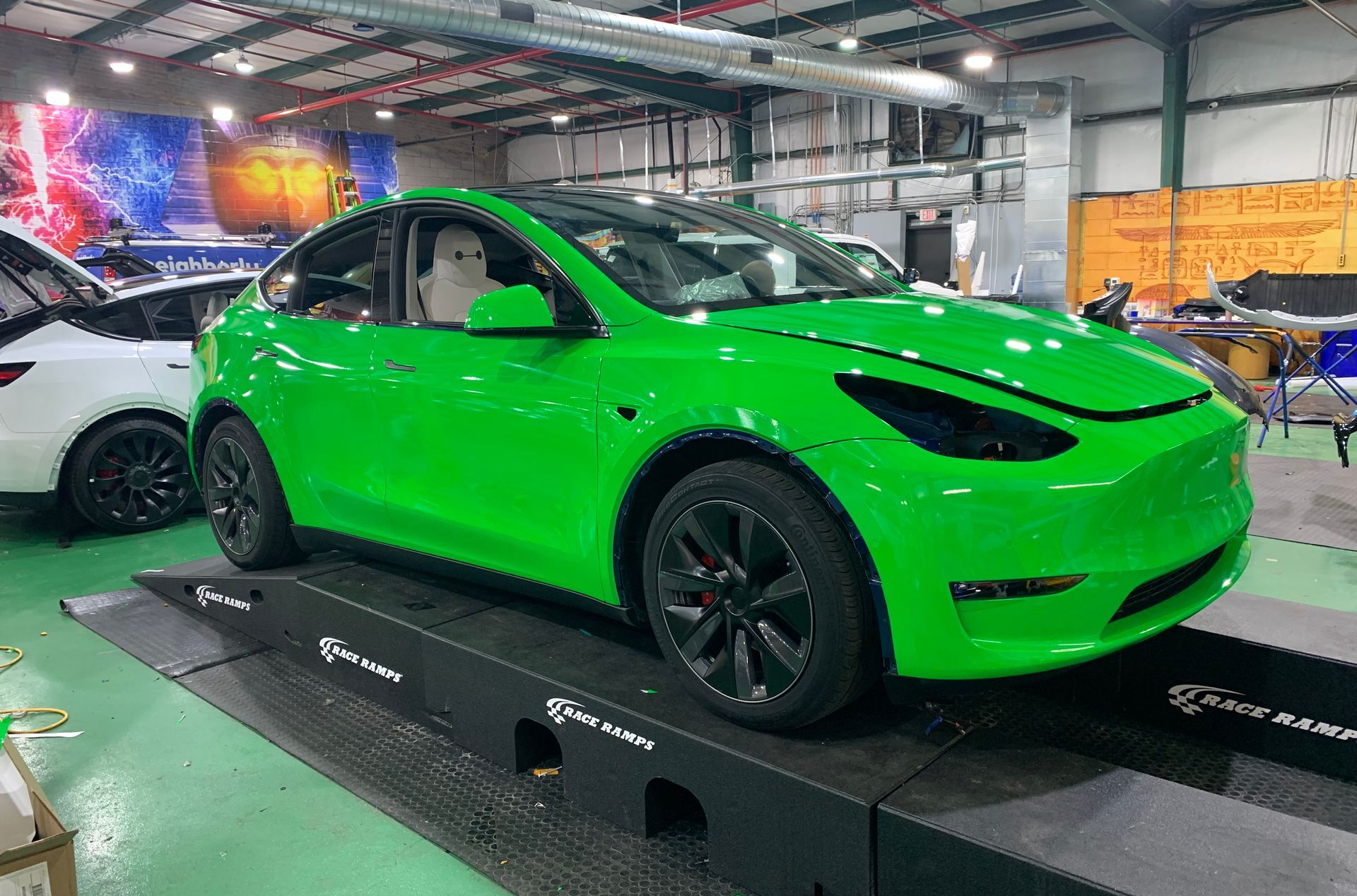
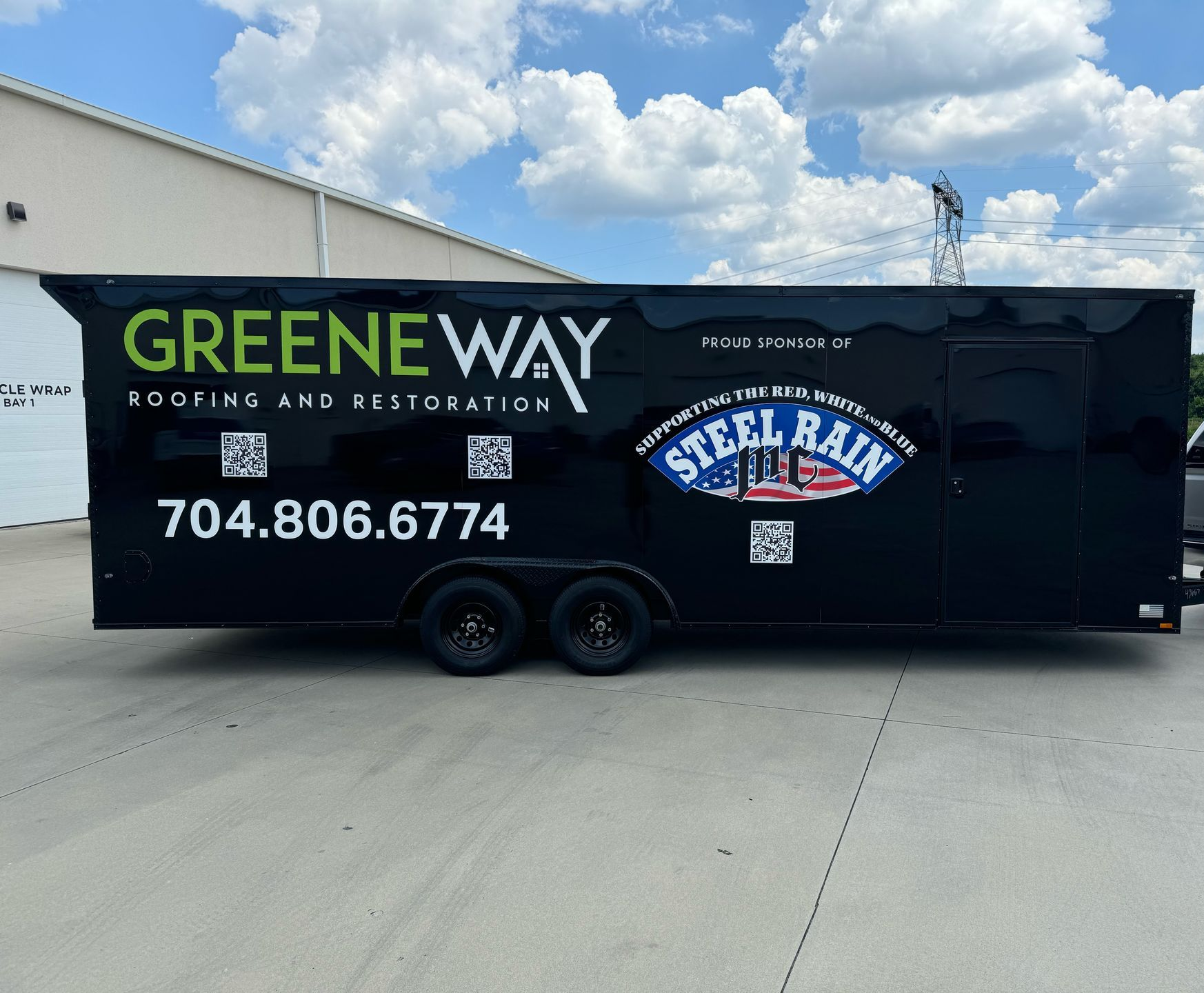
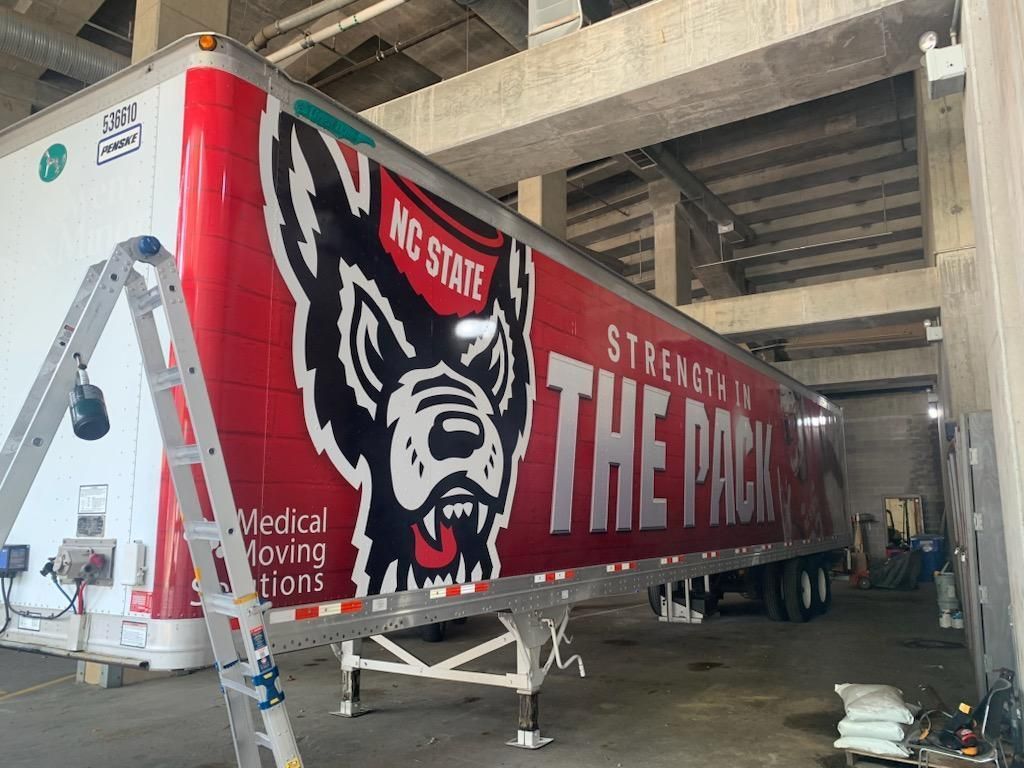
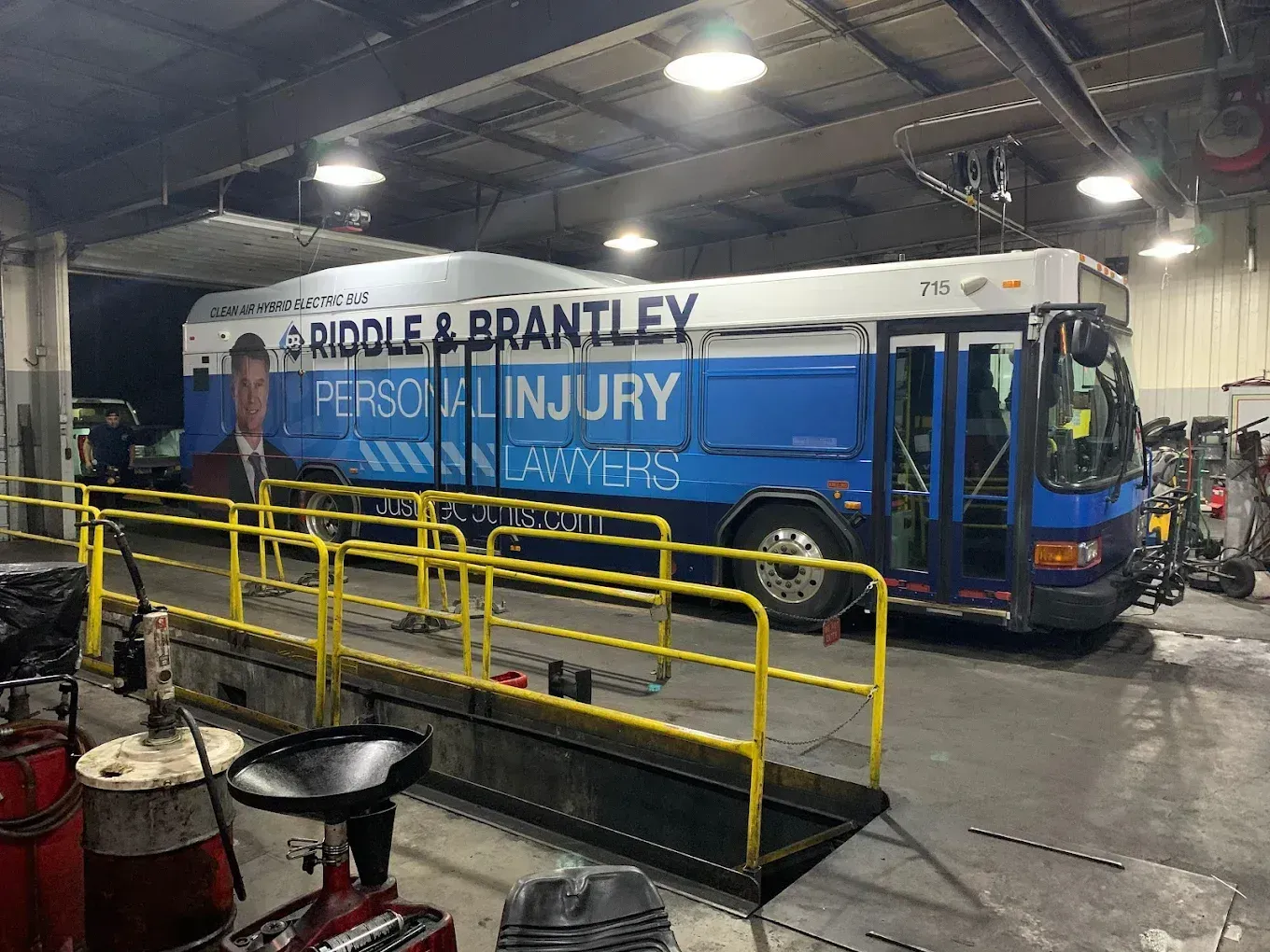
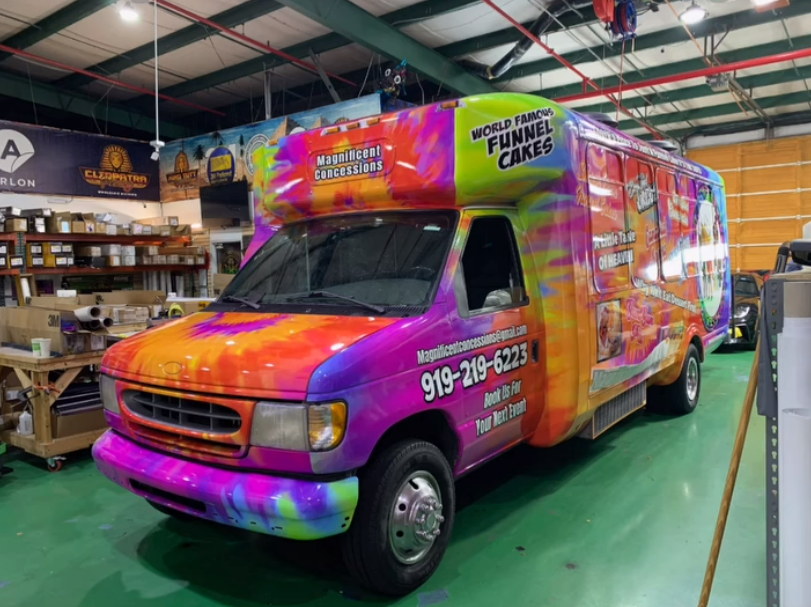
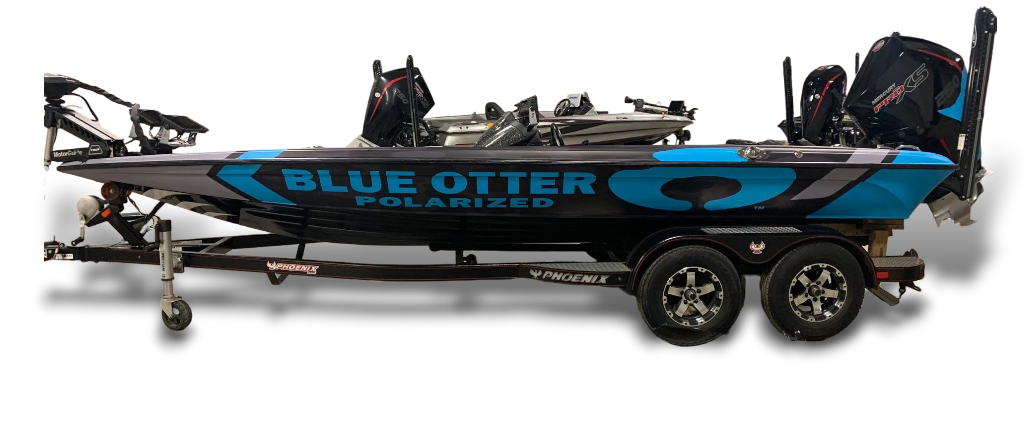
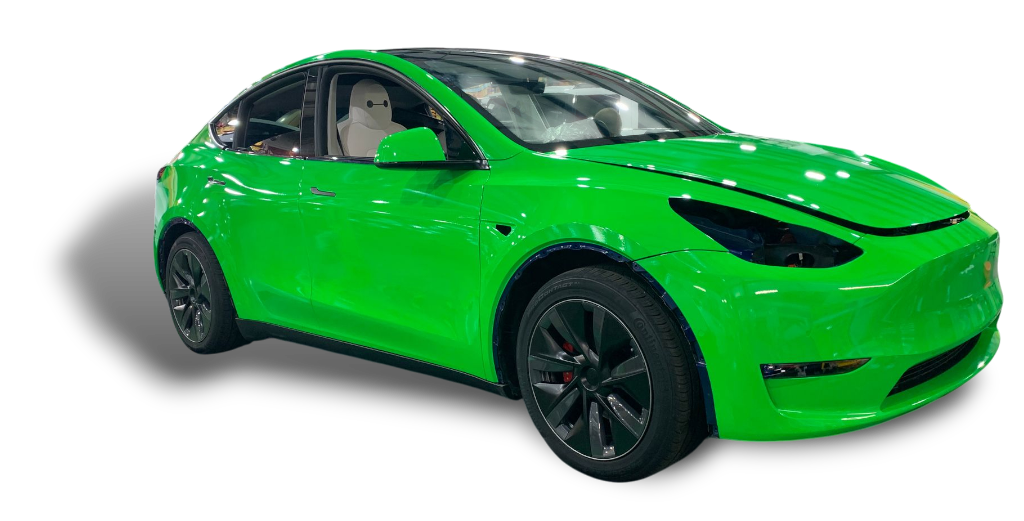
Full wraps cover nearly the entire vehicle with vinyl, transforming it into a mobile billboard. Partial wraps typically cover key panels—sides, hood, or rear—leaving some factory paint exposed and focusing messaging where it gains the most visibility. Full wraps provide a maximum creative canvas and consistent branding from every angle; partial wraps concentrate impact in high-visibility zones while reducing material and design complexity.
How Do Costs Compare Between Full And Partial Wraps?
Full wraps require more material, design work, and installation time, so upfront costs are higher. Partial wraps reduce material and labor, making them attractive for tighter budgets. However, a lower initial price doesn’t always translate into better ROI: full wraps often deliver stronger impressions per mile and longer-lasting brand recognition. Consider the total cost of ownership, including expected lifespan, maintenance, and potential removal or refresh costs.
What Are The Key ROI Factors To Consider?
- Impressions Per Mile: Full wraps generally deliver deeper impressions because branding is visible from more angles and distances, increasing recall among viewers.
- Target Coverage: If your routes include stop-and-go urban traffic or highways with side-by-side visibility, full wraps amplify reach; partial wraps can suffice for targeted, cost-sensitive routes.
- Brand Complexity: Brands with visually rich identities (patterns, full-vehicle photos, bold color schemes) benefit more from full wraps; simpler logos and contact information often work well on partial wraps.
- Campaign Duration: Longer campaigns favor full wraps because the incremental cost is spread over more exposure; shorter campaigns might be more cost-effective with partial wraps.
- Resale And Vehicle Lifecycle: Full wraps can protect paint and maintain a unified brand look across a fleet, potentially enhancing perceived value; factor in removal costs when vehicles change hands.
- Local Market Density: In dense local markets, frequent repeated exposure can make partial wraps effective; in broader regional campaigns, full wraps help maximize unique impressions.
- Measurable Outcomes: Consider how you’ll attribute leads—unique URLs, promo codes, or tracking numbers help convert visual impressions into measurable ROI.
- Quality And Installer Reputation: Poor installation or low-grade materials can increase long-term costs through damage or early replacement; investing in reputable providers reduces risk.
- Opportunity Cost: Budget allocated to wraps could alternatively fund digital ads, events, or sponsorships; compare expected CPM equivalents and engagement rates to choose the highest-return channel.
Which Option Drives Better Brand Visibility And Lead Generation?
Full wraps typically win on pure visibility and memorable impact, making them a stronger choice when brand awareness and local market penetration are primary goals. Partial wraps can still drive leads effectively when paired with clear calls to action and strategically placed contact information. For lead generation, clarity and legibility matter more than coverage—whether full or partial, ensure phone numbers, websites, and offers are prominent and easy to read at a glance.
How Should You Measure ROI From Vehicle Wraps?
Set baseline metrics before installation: average monthly leads, website traffic, or store visits. Use trackable elements such as dedicated landing pages, promo codes, or call-tracking numbers to attribute responses. Monitor impressions via route density and mileage estimates, and compare lead quality and cost per lead to other channels. Account for intangibles like brand lift and protective paint value in lifetime ROI calculations. Avoid assuming that a lower upfront cost equals greater ROI; measure outcomes over time and adjust future strategy accordingly.
Should I Choose A Full Or Partial Vehicle Wrap For Maximum ROI?
If maximum visibility and long-term brand impact are priorities—and budget allows—a full wrap often delivers superior ROI through sustained impressions and stronger recall. If budget constraints or targeted messaging guide the campaign, a well-designed partial wrap can achieve efficient, measurable returns. Base your final decision on budget, measurable goals, route patterns, and how you’ll track the campaign’s performance.
Are You Interested In A Full Or Partial Vehicle Wrap In Charlotte, NC?
If you are considering wrapping your car, truck, or fleet in
Charlotte,
Gastonia,
Winston-Salem, or
Mooresville, NC,
contact us at Certified Install Wraps. We can help you determine whether a full or
partial wrap best fits your needs. Certified Install Wraps is a premier
vehicle wrap service in Charlotte, NC, for good reason. We take each step carefully, from concept creation to execution and aftercare tips. If you want your vehicle branding to look great, we’re the experts to do it.