Are Vehicle Wraps Tax Deductible?
Vehicle Wrap Tax Deductions: What Businesses Need to Know
A vehicle wrap used for legitimate business advertising is often tax deductible as a business expense, but the exact deduction depends on how the vehicle is used, how the wrap is classified, and the tax rules in effect for that year. Vehicle wraps aren't a guaranteed write-off just because a business paid for one, and the details matter enough that this is worth discussing with a tax professional rather than assuming the deduction applies the same way in every situation.
What Determines Whether a Vehicle Wrap Is Tax Deductible?
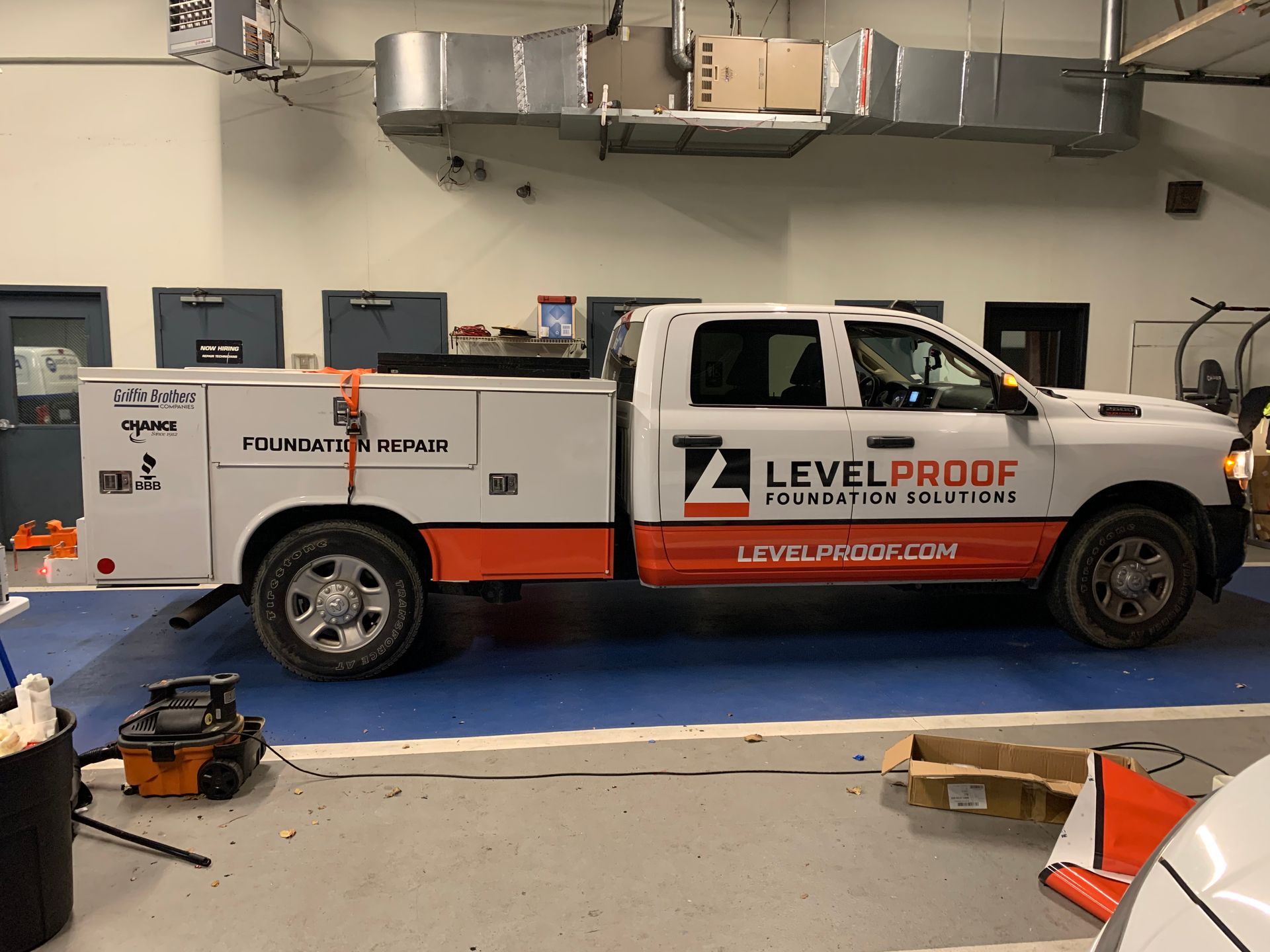
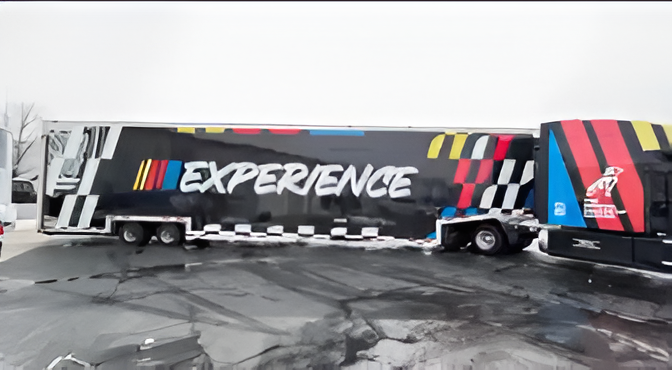
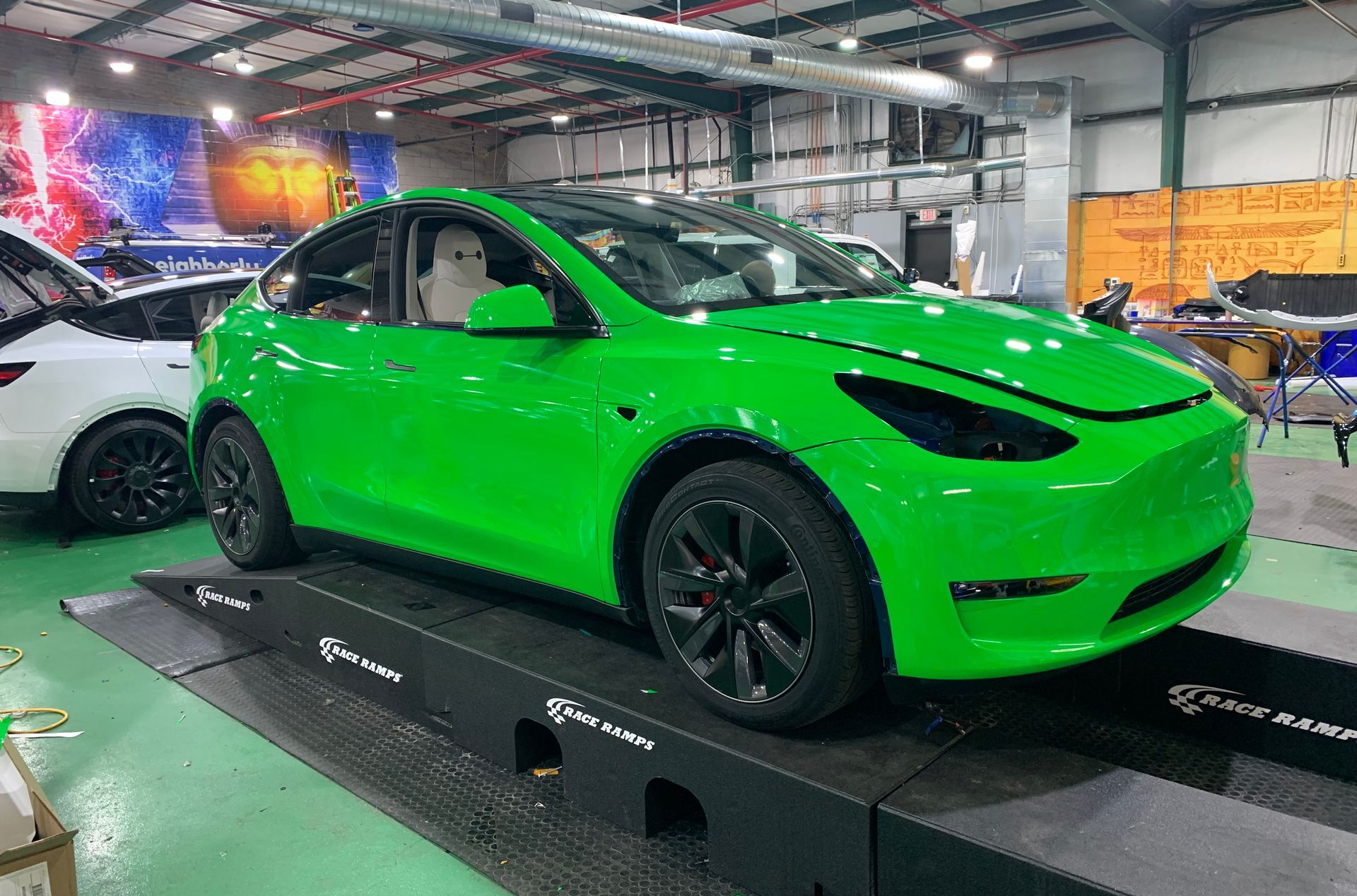
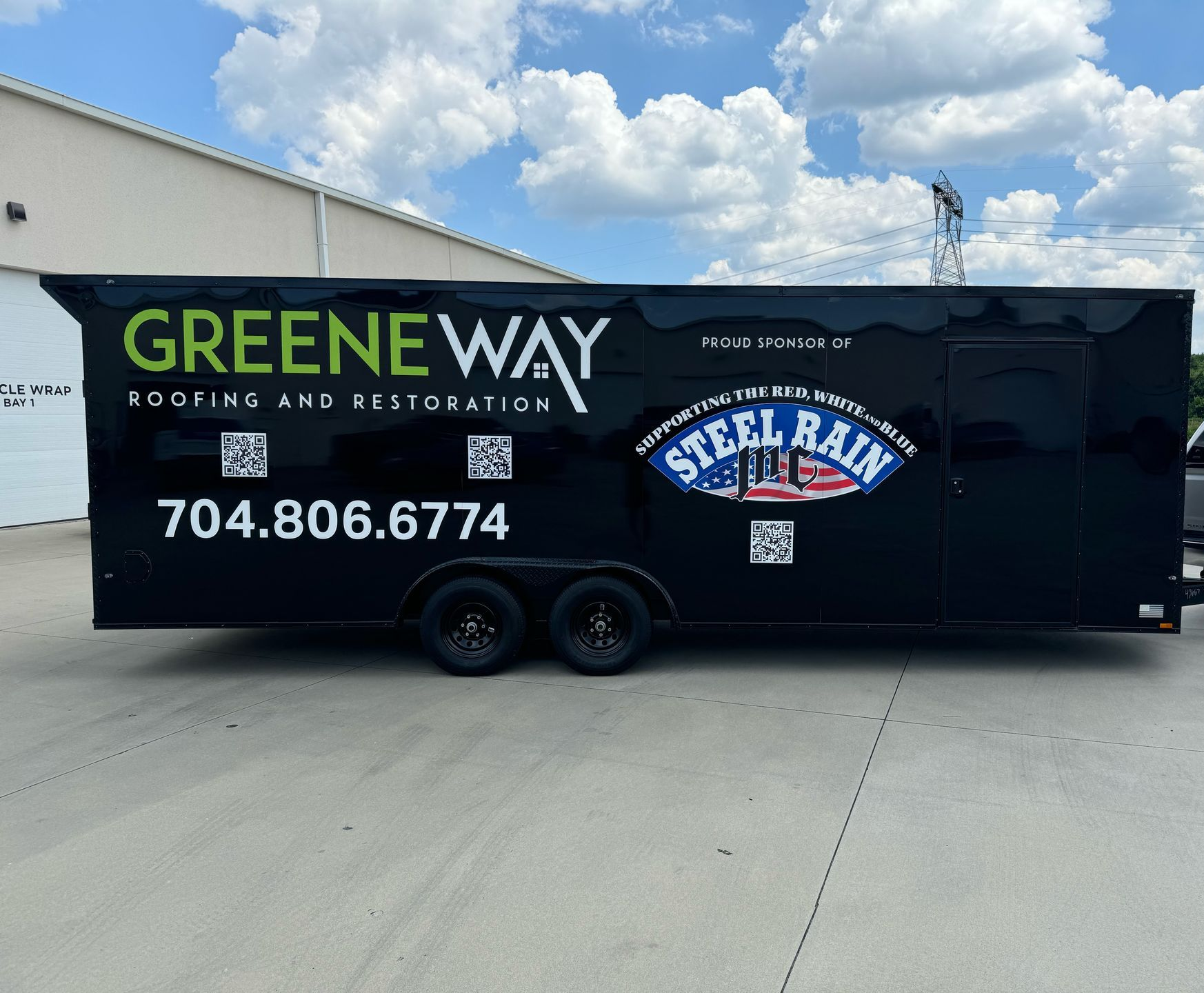
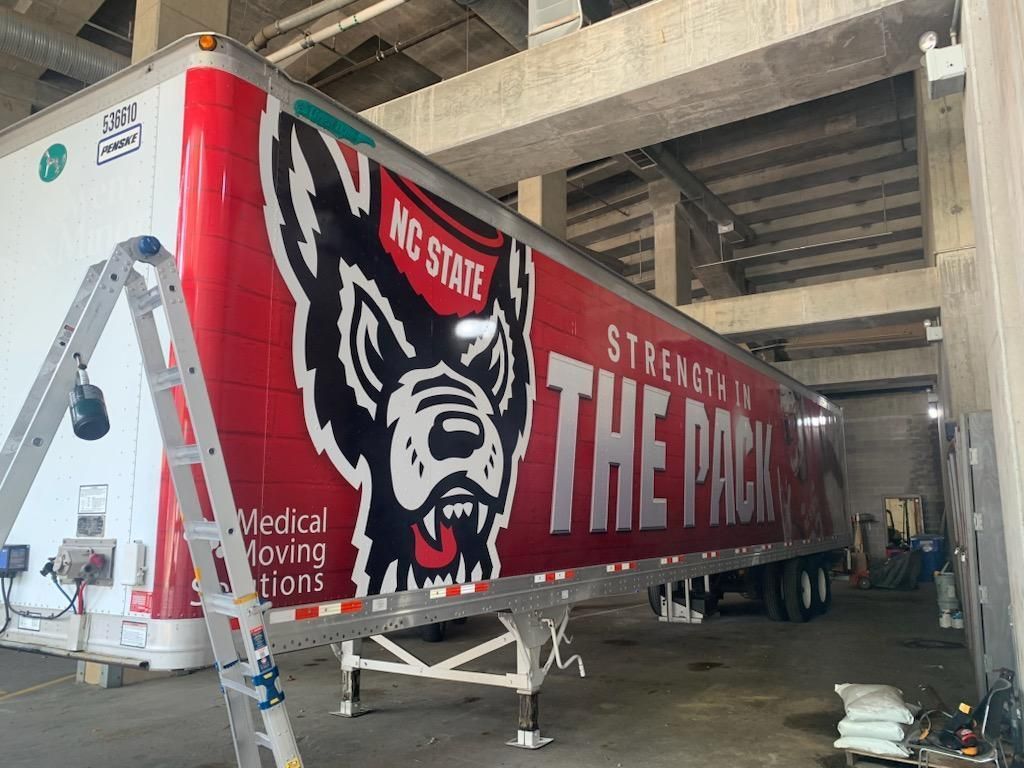
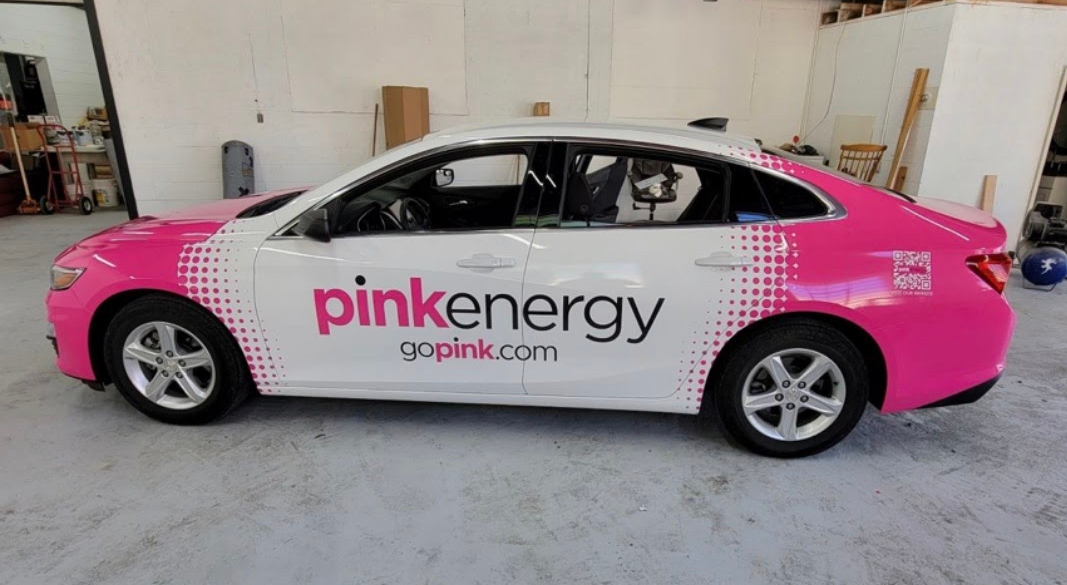
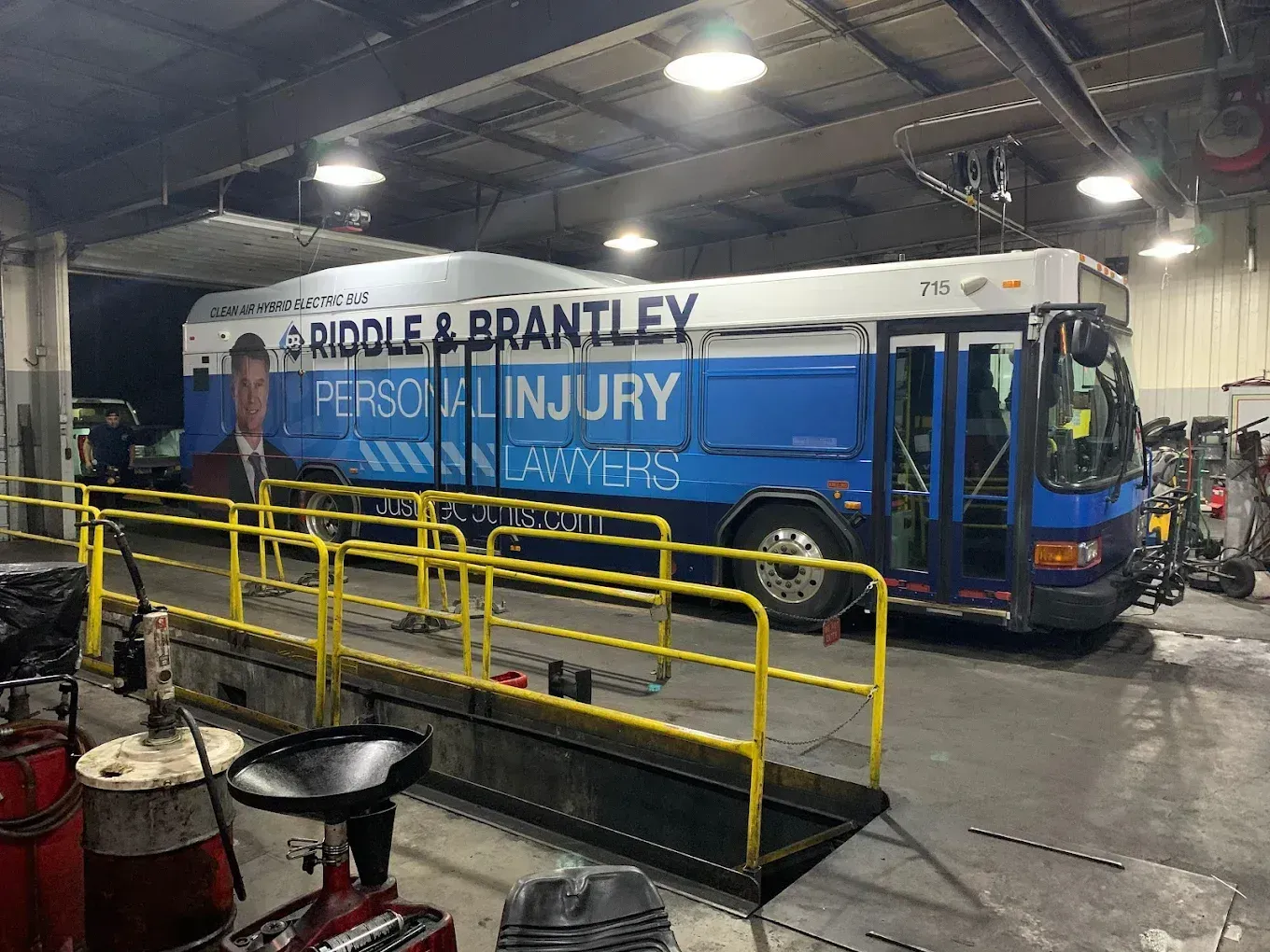
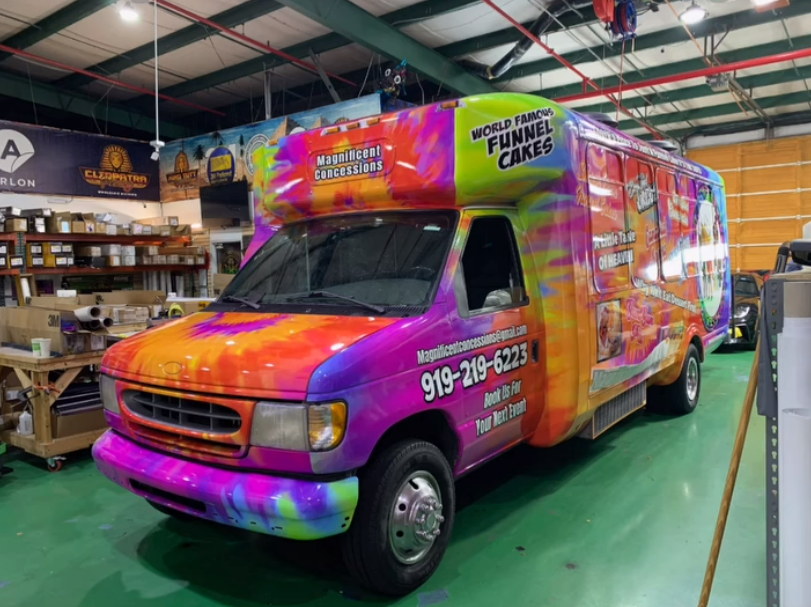
The IRS generally treats advertising expenses, including vehicle wraps used to promote a business, as deductible when the wrap is directly tied to marketing the business rather than just personal styling. That means a wrap with your company name, logo, phone number, or services listed has a much clearer path to deduction than a wrap that's purely decorative with no business branding at all. The vehicle itself also matters. A wrap on a business-owned or business-leased vehicle is more straightforward to deduct than one on a personal vehicle that's occasionally used for work, since the IRS looks closely at how much of the vehicle's use is actually business-related. Advertising expenses like this typically get deducted in the same tax year the expense was paid, rather than spread out over several years, though that can depend on how a business's accountant structures the deduction. Keeping the wrap clearly business-branded, rather than a subtle color change with no company information, also makes the business purpose easier to demonstrate if the deduction is ever questioned.
How Does Business vs. Personal Use Affect the Deduction?
A vehicle used exclusively for business, like a work truck or a company van, has a much simpler deduction path than a personal vehicle that also gets used for errands, school pickups, or weekend trips. When a vehicle serves both purposes, the deduction usually has to be split based on the percentage of business use versus personal use, which means keeping some kind of record of how the vehicle is actually driven. A simple mileage log or a record of which jobs the vehicle was used for over the course of a year is often enough to support the split, but the exact standard an accountant wants to see can vary. This is exactly the kind of detail best handled with a tax professional, since the record-keeping requirements and exact percentage calculations go beyond anything a wrap installer can advise on.
What Costs Can Be Included in the Deduction?
The wrap design and installation cost is usually the main expense businesses think of, but related costs like removal, maintenance, or repair of the wrap can sometimes factor in too, depending on how they're classified. Some businesses treat the wrap as a straightforward advertising expense deducted in the year it's installed, while others may need to depreciate the cost over time depending on how it's categorized for tax purposes. A full wrap costs more upfront than a partial wrap or simple lettering, and that difference in cost is exactly the kind of thing worth discussing with an accountant before deciding which option makes the most sense for the business, both from a marketing standpoint and a tax standpoint. Which approach applies isn't something Certified Install Wraps can determine for you, since that classification decision sits squarely with a tax professional who knows the specifics of your business.
How Do You Claim a Vehicle Wrap as a Business Expense?
Claiming a vehicle wrap as a business expense generally starts with keeping the invoice from the installer, since that's the documentation an accountant needs to support the deduction. Beyond that, the actual filing process depends on how your business is structured, whether it's a sole proprietorship, an LLC, or a corporation, and each of those has different rules for how vehicle and advertising expenses get reported. This is another point where the honest answer is to loop in whoever handles your taxes before assuming a specific dollar amount is coming back, since the actual claim process is a tax filing question, not a wrap installation one.
Should You Talk to a Tax Professional Before Wrapping Your Vehicle?
Yes, and ideally before the wrap goes on rather than after, since a quick conversation with an accountant can clarify whether the deduction applies to your situation and how to document the expense correctly from day one. Certified Install Wraps can provide the invoice, the design proof, and any documentation showing the wrap's business purpose, but the tax determination itself always belongs to a qualified tax professional who knows your specific business and filing history. Treating this step as part of the wrap process, not an afterthought, saves the headache of trying to reconstruct documentation months later at tax time.
Ready to Wrap Your Business Vehicle in Charlotte or the Carolinas?
Certified Install Wraps provides professional vehicle wrap design and installation for businesses across Charlotte, Winston-Salem, Greensboro, and Fort Mill, SC, whether you need a single work truck wrapped or a full fleet. We can also provide the documentation your accountant needs to help make the tax side straightforward. Contact us today to schedule a free consultation and start planning your custom business vehicle wrap.